A Parent’s Halloween Guide: Do’s & Don’ts for a Happier Night
A practical Halloween guide for parents: costume checks, trick-or-treating, candy, sensory-friendly plans, and a printable family checklist.
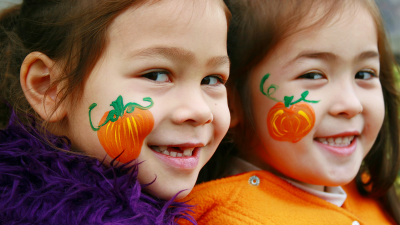
Illustrative costume photography via the FDA.
Halloween can be a tiny pumpkin parade, a neighborhood candy walk, or a big costume adventure. The best version is the one that fits your family. A little preparation makes it easier to focus on the fun, and leaving early still counts as a successful night.
Before you leave: comfortable beats complicated
Give the costume a practice run
Have your child walk, sit, and use the bathroom in the outfit. Check that shoes fit, hems clear the ground, and hats leave the eyes unobstructed. Add reflective details and carry a flashlight.
Save the first try-on for the doorstep, or use long, sharp props that could cause an injury during a stumble.
Costume fit, visibility, and prop guidance: American Academy of Pediatrics.
Keep the finishing touches simple
Follow makeup labels and test a small area 24–48 hours ahead. Look for flame-resistant costume labels, while keeping costumes away from flames.
Use decorative contact lenses without an eye-care professional’s fitting and prescription, or assume “flame resistant” means fireproof.
Makeup and contact-lens guidance: FDA Halloween safety tips.
Choose the right kind of spooky
Make a plan your child can enjoy
Check whether an event is a daytime family celebration, a haunted attraction, or something in between. Ask about loud sounds, flashing lights, actors, age guidance, and exit options. Let your child choose a quieter alternative.
Treat admission as a reason to push through tears, or assume a pumpkin-themed event is suitable for every child.
For Southern California outings, check the organizer’s current dates, tickets, parking, weather policy, and costume rules. Pack water and a layer, and decide on a meeting spot before entering a busy venue. Library activities, a home costume party, or a short neighborhood loop can be just as memorable as a full evening out.
On the trick-or-treat trail: slow the pace
Agree on the route and the finish
Accompany young children. For older children going with friends, review the route, group plan, return time, and how to contact you. Choose a manageable loop and keep phones put away while walking.
Assume a child is ready to go alone just because friends are, or make the candy haul more important than staying together.
Supervision and route planning: AAP Halloween guidance.
Make crossings a group decision
Use sidewalks and crosswalks or intersections. Look for traffic in every direction, including turning vehicles, and make sure drivers have stopped before crossing.
Dart between parked cars, cross mid-block, or assume a costume and a flashlight guarantee a driver has seen you.
Walking guidance: AAP and NHTSA.
Parents driving that evening
Slow down, scan for children near roads and driveways, and stay alert for unexpected crossings. Arrange a sober ride if alcohol is part of an adult celebration. A few extra minutes getting home are worth planning for. Read NHTSA’s Halloween driving tips.
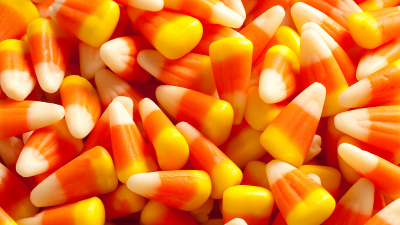
Back home: check the treats before the taste test
Make the candy check part of the routine
Offer a snack before heading out. At home, inspect commercially wrapped treats before children eat them; discard damaged or suspicious packages. Read ingredient labels for food allergies and remove choking hazards for young children.
Let children eat uninspected treats, assume every miniature candy has the same ingredients as its larger version, or offer hard candy, gum, nuts, or small toys to a child who cannot safely manage them.
Treat inspection, food-allergy labels, and choking-hazard guidance: FDA. Follow your child’s existing allergy plan and ask their clinician about individual medical needs.
Keep the fun kind and flexible
Welcome different ways of joining in
Offer a non-food option alongside candy, accept a wave instead of a spoken “trick or treat,” and let children participate without a costume. Ask before taking or posting pictures of other families.
Demand a performance for a treat, comment on someone’s age or body, or assume a quiet child is being rude.
Give everyone a simple way to say “I’m done.” That might mean one last house, a short break, or heading straight home. Plan a cozy finish: shoes off, costume photos if wanted, candy check, and the usual bedtime routine as closely as the evening allows. No one needs to earn a good memory by staying out longer.
The five-minute parent check
- Costume tested; shoes comfortable; face and eyes unobstructed.
- Reflective details and flashlight ready.
- Route, adult supervision, meeting point, and finish time agreed.
- Water, a snack, a layer, and any everyday essentials packed.
- Event rules, tickets, parking, and weather checked.
- Everyone knows: stay together, cross carefully, inspect candy at home.
- A quiet option and an early-exit plan are available.
See the outings behind the ideas
For a little seasonal inspiration, watch Nicole’s own videos in our Instagram video collection or explore her Family Halloween highlights. Confirm current event details directly with the organizer before making plans.
Sources & last check
Checked October 28, 2026. Practical safety recommendations are drawn from the American Academy of Pediatrics, FDA, and NHTSA. Photos illustrate the topic; they are not photos of Nicole’s family.